
Your Body Is Electrical: What That Actually Means
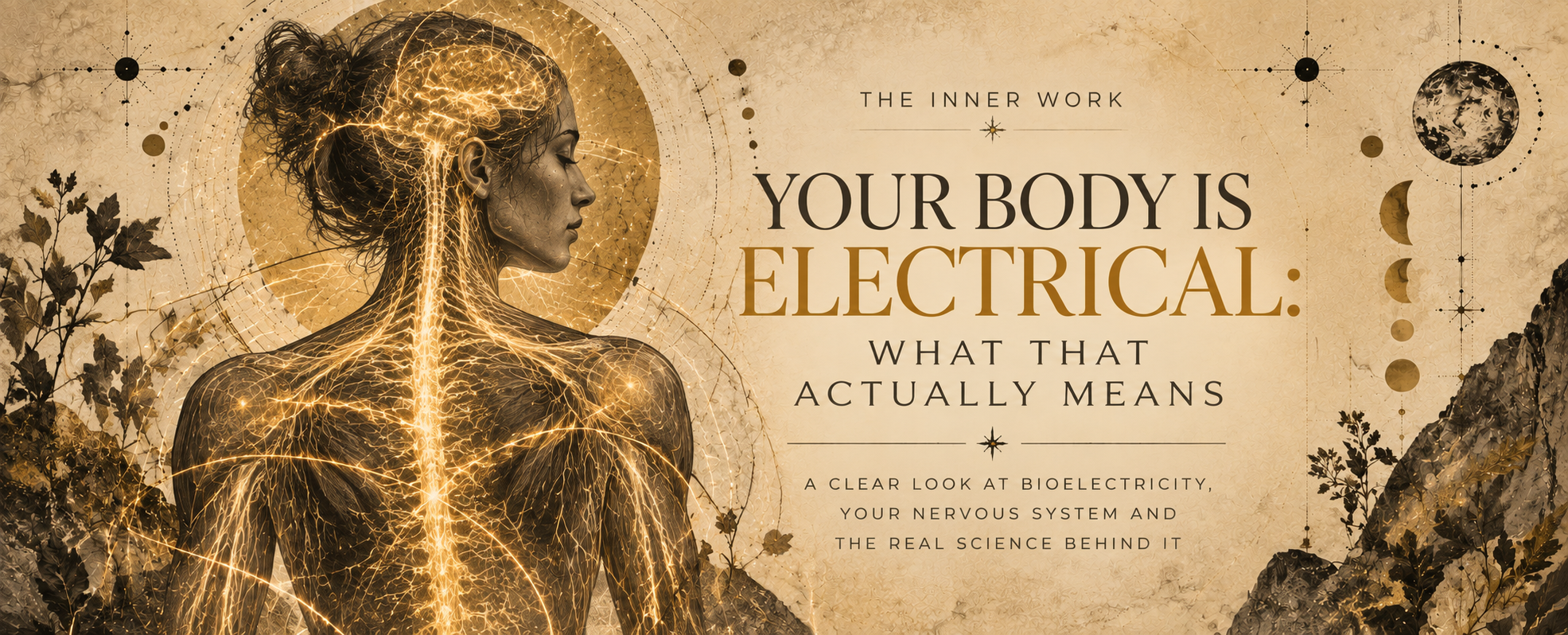
When someone in the spiritual or wellness world says “your body is energy,” what does that actually mean? It's one of those statements we've heard so many times that we rarely stop to examine it. The same kind of statements get tossed around the woo-woo wellness world so often, that it all becomes a blur: Energy flows through the body. Everything has a frequency. We're electromagnetic beings. Our chakras influence our physical and emotional well-being. Wuh-wuh. How much of this is a metaphor, how much is ancient energy medicine, and how much of it can we actually explain through modern science?
Because here's the fascinating part… Your body really is electrical. Not symbolically or metaphorically. Not because someone decided to describe human beings as energetic beings. But because your nervous system, your heartbeat, your muscles and even the individual cells moving throughout your body depend on electrical activity to actually function. And when we begin exploring that biology along with the ancient systems of energy healing, the conversation becomes a lot more interesting.
You’re Basically Running on Electricity
Every thought you think, every movement you make and every sensation you experience involves electrical activity. Your brain and nervous system communicate through a combination of electrical and chemical signals. When a nerve cell becomes stimulated, it generates an electrical impulse, and travels along the nerve cell, allowing information to move through the nervous system.
It's how your brain communicates with your muscles, how sensory information from the outside world reaches your brain and how your body coordinates countless of functions without needing your conscious attention. Your heart operates through its own specialized electrical conduction system. Electrical signals coordinate the contractions that allow your heart to pump blood throughout your body. And without that coordinated activity, your heart couldn't maintain its normal rhythm and you wouldn’t be alive. Even your muscles rely on electrical signalling to contract. Electricity isn't something being added to the human body, it's already a part of the intelligent machinery keeping you alive. And we're not just talking about a small amount of isolated electrical activity either. We're talking about an interconnected biological communication system operating continuously throughout your entire body.
Your Cells Maintain Electrical Charges
Here's where things get even more interesting, but may have to take you on a trip down memory lane back to High School where we learned about science, biology, anatomy, chemistry, and all the other topics we thought were boring as f at the time.
Every living cell maintains an electrical charge. Each living cell has a difference in that charge between its interior and exterior. This is called the membrane potential. Cell membranes regulate the movement of electrically charged particles called ions, including sodium, potassium, calcium and chloride. Because these ions carry electrical charges, differences in their concentration create electrical potentials across cell membranes. Specialized proteins and ion channels help maintain and regulate these differences.
In nerve and muscle cells, changes in membrane potential allow electrical signals to be generated and transmitted. But electrical properties aren't just exclusive to nerves. Bioelectric signalling also plays an important role in cellular communication, tissue development and wound healing. Researchers study how electrical gradients influence processes such as cell migration, tissue organization and regeneration. In other words, bioelectricity operates at both the cellular and whole-body levels.
Your body isn't just a collection of organs connected by nerves, it's a living system in which electrical activity helps coordinate the behaviour of cells, tissues and organs. And the more we learn about bioelectricity, the more sophisticated that communication appears to be.
We Can Literally Measure This Stuff
One of the most fascinating things about human electrical activity is that we don't have to guess or speculate about its existence, because we can just measure it and know its real.
An electrocardiogram (ECG) records electrical activity associated with the heartbeat.
An electroencephalogram (EEG) records electrical activity generated by clusters of neurons in the brain.
An electromyogram (EMG) measures electrical activity associated with muscles.
These technologies are used to investigate physiological function and identify certain medical conditions on a routine basis. Hospitals are filled with technical devices used to identify and diagnose illnesses or dysfunctions that are using electrical information to do so.
And electrical activity isn't the only thing we can measure. If you’ve ever gone for a MRI, you would know how important it is to remove all metals from your person before heading into the machine. Because it uses magnetic resonance to capture the images of your internal organs, it gives yet another real life example of how energetic and magnetic the human body actually is. Because electricity and magnetism are connected, electrical currents within the body also generate magnetic fields.
But not all magnetic medical devices are equal. While a standard MRI is used for larger imagery, sometimes specialized instruments that can detect the extremely weak magnetic fields associated with the heart and brain need to be used to identify anomalies that an MRI machine couldn’t ever detect. Magnetocardiography measures the magnetic activity associated with the heart, while magnetoencephalography measures magnetic fields generated by neural activity in the brain.
Think about that for a minute. Not only does your body produce measurable electrical activity and electromagnetic fields just by being alive, but there’s such a range and spectrum of those measurable frequencies that special devices we created for a specific use. That's not a spiritual interpretation or woo-woo bullshit… That's physiology. And it gives us a fascinating foundation for exploring a subject humans have been investigating through very different systems of understanding for thousands of years.
We've Been Describing the Body as an Energetic System for How Long?
Long before we understood neurons, ion channels or electromagnetic fields, ancient cultures developed sophisticated systems for describing the relationship between energy and the human body. In traditional Indian philosophy and yogic systems, prana is understood as vital life energy. The chakra system describes energy centres associated with different dimensions of physical, emotional and spiritual experiences. In traditional Chinese philosophy and medicine, qi describes vital energy or life activity, while meridian channels in the body represent pathways which qi uses to circulate.
These systems developed through different histories, philosophies and practices. They aren't interchangeable, and they weren’t constructed using modern anatomical terminology either. But there's a pretty cool common thread between them: The human body was understood as an interconnected system instead of just a collection of isolated and individual parts. Physical experiences, emotional states, awareness, breath, movement and the surrounding environment were all considered relevant to overall health, happiness, and well-being.
And although the language is different, modern physiology also recognizes that our bodily systems constantly influence one another. That doesn't mean prana is automatically assumed to be electricity or that the meridian channels are nerves. What it does mean is that we have an opportunity to examine how different traditions have attempted to understand the complexity of living systems, and that's where the conversation continues to be interesting to me.
Chakras, the Nervous System and the Physical Body
Let’s talk about the chakra system. The seven-chakra model familiar to many modern practitioners and woo-woo girlies are under the assumption that each centre connects to different regions of the body and relates to specific themes of the human experience. The root chakra is associated with grounding, survival and stability. The sacral chakra with creativity, pleasure and emotional expression. The solar plexus with personal power, confidence and personal agency. The heart chakra with connection, compassion and relationships. The throat chakra with communication and expression. The third eye with perception, intuition and awareness. And the crown with consciousness and spiritual connection. These associations provide a framework for exploring how we experience ourselves physically, emotionally, psychologically, and spiritually.
Now consider what we know about the nervous system. Our experiences of safety, stress, emotion, connection and perception all involve complex interactions between the brain, nervous system, hormones and other physiological processes. The body responds to emotional experiences. Emotional experiences are influenced by the body's physical state. And the nervous system constantly evaluates information from both our internal environment and from the world around us.
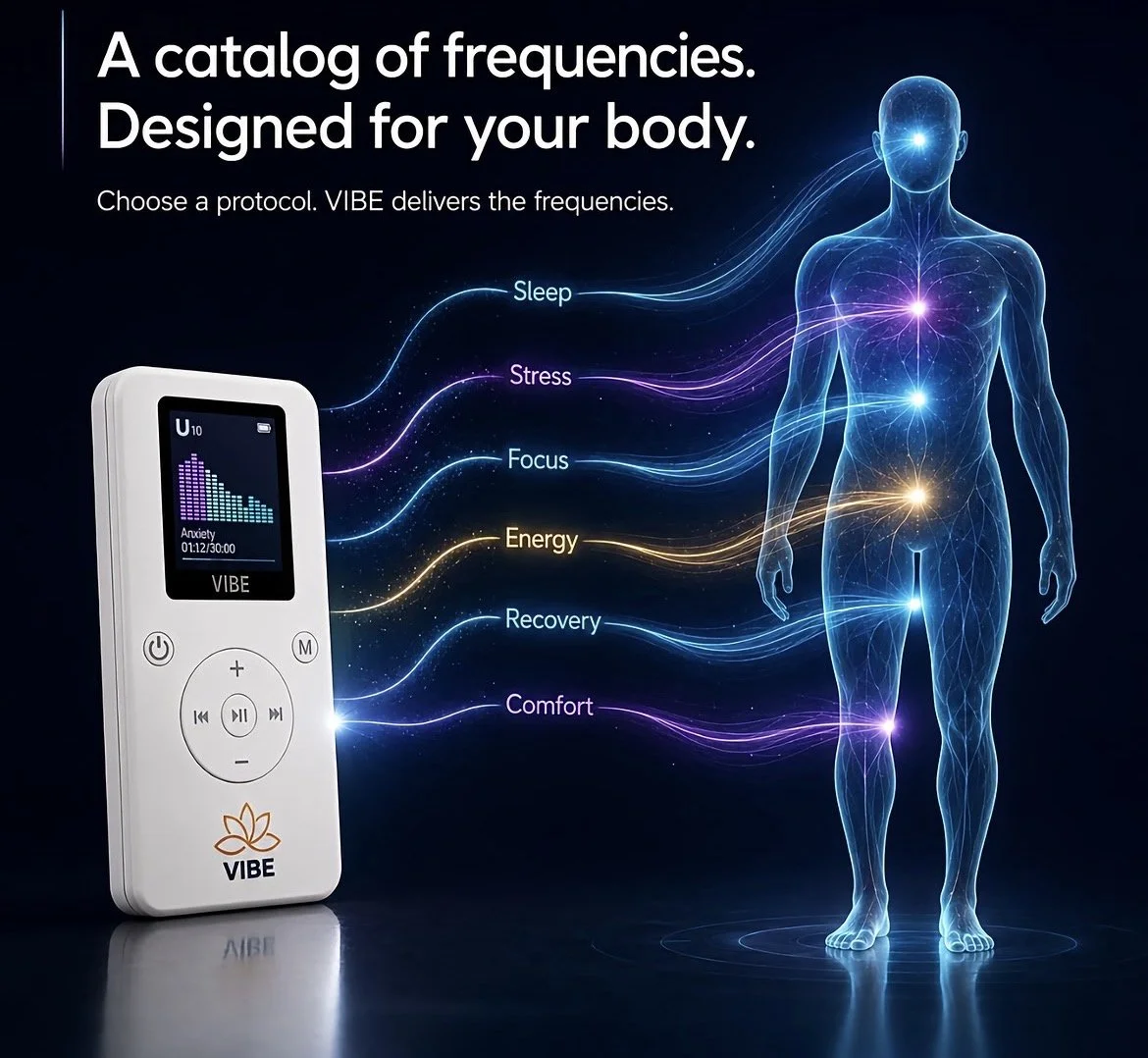
It's understandable why people have explored the parallels between chakra locations, nerve networks and endocrine structures, but some people just take it a tad too far and blend these concepts when they should be examined individually and in relation to others; not automatically assumed to be interchangeable and considered the same thing. If we’re using our brains, we shouldn't be treating what we know from physiology and from ancient practices as proof that chakras are physically identical to nerves or glands. Because they’re not. We have a physical body, and an energetic body. They interact and influence one other, but are still two very different systems.
We need to be asking ourselves if we can use different systems of understanding to illuminate different aspects of the same human experience.
For example, someone experiencing prolonged fear or insecurity might approach that experience through root chakra work. A psychological approach might explore learned survival responses, attachment patterns or a person's sense of safety. A physiological approach might examine autonomic nervous-system activity, breathing patterns and the body's stress response.
These approaches use different explanatory frameworks, but they might lead someone to explore related experiences involving their body, emotions and perception of safety. So instead of demanding that one framework replace the others, we can investigate what each contributes to the overall situation and approach the issue from an integrative and holistic perspective.
Where Energy Healing and Nervous-System Regulation Meet
Think about what happens when someone experiences stress over a long period of time. Their breathing patterns might change. Their muscles might stay tensed up. Their heart rate, sleep quality, digestion and ability to concentrate might all be affected. The nervous system is constantly adapting to perceived demands and threats. Our reptilian brain (don’t fall down the lizard rabbit hole -stay with me) which is the oldest and animalistic part of the brain, is scanning for perceived threats to try and keep us alive. Kill or be killed is the very basic nature of our animal/ego programming.
Now consider how someone might describe that experience through an energetic framework. They might feel weak, depleted, disconnected, ungrounded or as though they're carrying tension in particular areas of their body. They might describe their energy as blocked or out of balance. These descriptions aren't necessarily identifying a measurable electrical obstruction in the physical body, but they can represent a meaningful way of communicating an internal experience.
And some practices associated with energy healing involve processes that also have physiological relevance. We know that breathing exercises can influence autonomic activity. Expectant Mother’s engage in breathwork during labour. Breathing exercises used during a panic attack can calm the system. We know there’s power in breathwork.
Meditation and focused attention can affect psychological and physiological responses. There is an abundance of scientific evidence that suggests real changes take place in the brain and in the body when we control the breath and focus the mind.
Gentle movement can change muscle tension and body awareness. It’s literally what physical therapy encourages to help the body heal and realign. Supportive touch can influence relaxation and perceived well-being, that’s why you come out of a massage feeling liking you’re disconnected from your body and just a floating head.
A Reiki session, chakra meditation, sound bath, or other energetic practices can incorporate some of these elements, alongside traditional beliefs about life-force energy and intention, but that doesn't prove or support that energy-healing only can impact the physiology of the human body. It does suggest that the experience of energy work deserves a more thoughtful conversation than just dividing everything into science versus spirituality tho. It shouldn’t be either/or, it needs to be both/and. We can examine what happens physiologically while staying curious about how people interpret and experience those changes energetically.
Your Body Generates Electromagnetic Fields
Now let's return to the measurable and provable side of the conversation. Because electrical activity and magnetic fields are related, the body's electrical processes also produce magnetic activity. We already know that the heart and brain generate magnetic fields and have proven so by using appropriate equipment to detect those kinds of frequencies. These fields are extremely weak, and detecting them often requires specialized technology and carefully controlled conditions.
But their existence has been proven and is established. So this raises some interesting questions about how living organisms interact with electromagnetic environments. We know that certain animals have certain sensory capabilities that humans don't share to the same degree. Some fish detect electric fields. Many migratory animals use information associated with Earth's magnetic field. And humans are continuously exposed to naturally occurring and human-made electromagnetic fields every minute of our existence.
But the ability to detect or respond to electromagnetic phenomena varies dramatically between species and depends on the type, intensity and frequency of the field. Electromagnetic interaction is a real biological subject, not just a mystical metaphysical concept. Which brings us to another fascinating area of research.
Can Electromagnetic Fields Influence the Body?
Yes. Under appropriate conditions, externally applied electrical and electromagnetic fields can absolutely influence biological tissues. We already use technologies that work with the body's electrical properties, so this concept isn’t new. Pacemakers deliver electrical impulses to help regulate heart rhythms.
Certain electrical stimulation technologies are used in rehabilitation and pain management (the TENS machine anyone?). Transcranial magnetic stimulation uses changing magnetic fields to induce electrical activity in targeted brain regions and has real world medical applications.
Then there's pulsed electromagnetic field therapy, or PEMF. PEMF technology uses time-varying magnetic fields that can induce electrical effects within biological tissues. Certain bone-growth stimulation devices have established medical applications, while researchers continue to investigate other possible uses. But the evidence varies by application, treatment parameters and device. It’s not a “one size fits all” application. A proven and demonstrated benefit for one medical use doesn't automatically guarantee the effectiveness of every PEMF product or wellness claim, but the underlying biological interaction is very real.
Living tissue can respond to appropriately applied electromagnetic stimulation. And when we consider that electrical signalling is already pretty basic and normal to cellular and nervous-system function, it's not difficult to understand why researchers are interested in these technologies. This is a topic we'll explore in more depth and detail in a future article, because there's a lot more to discuss about frequencies, electromagnetic fields and the difference between established applications and emerging research that I can say here, in this post. Let’s continue - shall we?
Maybe We've Been Looking at the Same Human Experience Through Different Lenses
One of the limitations of dividing human experience into separate categories is that we can lose sight of how interconnected everything actually is. We talk about physical health, mental health, emotional well-being, nervous-system regulation and energetic balance as though they're completely independent subjects.
But your emotional experiences influence your physiology. Your physical condition influences your psychological state. Your environment affects your nervous system. And your nervous system influences how you experience that environment. The body is constantly responding, communicating and adapting.
Ancient energetic traditions approached that interconnectedness through concepts such as prana, qi, chakras and energetic pathways. Modern science examines it through physiology, biochemistry, neuroscience and bioelectricity. They aren't automatically identical explanations, but they offer us different ways of asking questions about the same extraordinary organism. And maybe the most productive approach isn't choosing one perspective and dismissing the other. Maybe it's learning enough about both to recognize where meaningful connections exist, where important differences remain and where there is still something worth discovering.
So, What Does It Actually Mean That Your Body Is Electrical?
It means electricity is fundamental to life. Your cells maintain electrical potentials. Your nervous system communicates through electrical impulses. Your heart relies on electrical signals to maintain its rhythm. Your body produces measurable electromagnetic fields. And scientists are continuing to investigate how electrical and electromagnetic processes influence cellular activity, tissue function and human health.
But I don't think that's where the conversation ends. For thousands of years, humans have explored the relationship between their physical bodies and energetic experiences through movement, breath, meditation, touch, intention and awareness. Modern scientific discoveries give us new tools for investigating aspects of those experiences. They don't automatically confirm every traditional explanation, but they don't require us to abandon the traditions either.
We can appreciate the science without dismissing the spirituality. We can explore ancient energetic systems without inventing scientific explanations to support them. And we can remain open to the possibility that our understanding of the human body is still evolving. Because the more we learn about the electrical processes happening inside us, the more extraordinary this supposedly ordinary physical body becomes.
Your body is electrical. That's established science. What that means for our broader understanding of energy, consciousness and the human experience is a conversation worth continuing.