
Shadow Work: What Is It, How It Works & Where To Start

Have you ever known exactly what you should do and then watched yourself do the complete opposite? You know you need stronger boundaries, but yet you still say yes when you want to say no. You know a relationship isn't working, but you can't seem to walk away. You promise yourself you won't react the same way next time, only to find yourself having the exact same argument, shutting down in the exact same way, or repeating a pattern you swore you'd already dealt with and “healed.”
It's easy to look at those moments and assume you just need more discipline, better boundaries, greater self-control, another dose of positive thinking, or a higher level of Self-love. But sometimes the problem isn't that you don't know better… sometimes there's another part of you operating underneath the surface of everything you consciously know.
That's where shadow work begins.
What Is Shadow Work?
Shadow work is the process of becoming aware of the parts of ourselves that exist outside (or underneath) our conscious identity. The version of Self we’re aware of and thinks is in control. Throughout life, we develop ideas about who we're supposed to be, what makes us lovable and acceptable, what creates conflict, and what parts of ourselves other people are comfortable being around. Without even realizing we're doing it… we adapt. We build the character we use to play the game called life.
Certain emotions become easier to express than others. Certain needs get pushed aside. Certain behaviours are rewarded while others create consequences. We learn what works, and what doesn't… what gets us noticed, what gets us rejected, and what helps us navigate the environment we're living in. Eventually, those adaptations can become so automatic to the character we’re playing that we get lost in the role and forget that the character we created to survive isn’t actually the real us. They just become: "That's just who I am."
Shadow work asks us to become curious enough about who we actually are that we’re willing to dissect how the character got created in the first place.
Your Shadow Isn't Necessarily the "Bad" Parts of You…
The word shadow can make this work sound darker than it actually is. Your shadow isn't just a dark, cluttered closet for every undesirable part of you. Sure, it can end up containing anger, jealousy, resentment, fear, insecurity, selfishness, or emotions you've been taught aren't acceptable that you shoved deep down inside of you… but it can also contain confidence. Ambition. Creativity. Sexuality. Sensitivity. Independence. The ability to say no. The desire to be seen. The willingness to take up space. Sometimes we suppress characteristics because we've decided they're bad, but other times, we suppress them because somewhere along the way we learned they weren't safe, useful, welcomed, or compatible with the person we believed we needed to be or become.
The point of shadow work isn't to judge what you find but to understand why it ended up there in the first place.
How Does the Shadow Get Created?
Most of our patterns don't appear out of nowhere. We learn from experience. If expressing anger repeatedly creates conflict, you’ll likely learn to suppress it. If being helpful earns approval, you’ll become extremely good at anticipating what everyone else needs. If making mistakes leads to criticism, perfectionism might start to feel safer than experimentation. If depending on someone has repeatedly resulted in disappointment, independence can become more than a personality trait… it can become protection.
None of this requires a dramatic defining event either. Human beings are constantly gathering information about what produces safety, connection, approval, predictability, belonging, and control. Over time, we develop strategies for navigating those things. The problem is that a strategy developed under one set of circumstances can continue operating long after the circumstances have changed. That's when something that once helped you can begin getting in your way.
How the Shadow Shows Up in Everyday Life…
Your shadow rarely introduces or announces itself. It doesn't scream: "Hello. I'm an unconscious emotional pattern developed fifteen years ago. Would you like to talk about what created me?"
It shows up through reactions. You might notice yourself “flipping out” by something super small. You might repeatedly attract the same kind of relationship dynamics. You might desperately want recognition and then feel super uncomfortable when you actually get it. You might avoid asking for help while silently building resentment towards those that don’t help you. You may struggle to say no and then become angry when people continue asking things of you. You might procrastinate on something you genuinely want. You may constantly seek reassurance even though that reassurance never seems to last very long.
Or maybe you keep encountering the same problem wearing different clothes. Different relationship, but same dynamic. Different workplace, but same conflict. Different opportunity, but the same fear. When something continues repeating itself despite your conscious attempts to change it, there's often more information underneath the behaviour than the behaviour itself can tell you.
Triggers Are Information…
Triggers can be uncomfortable, but they're also super informative. A strong emotional reaction doesn't automatically mean you're wrong, irrational, damaged, or overreacting… But it does mean that something deep within you was activated. It’s up to you to put the detective hat on and start asking questions:
What set you off?
What feeling, reaction, or memory got activated?
Why did that comment bother you?
Why does that type of person immediately get under your skin?
Why does being ignored affect you differently than being criticized?
Why does someone else's success make you uncomfortable?
Why does disappointing someone feel unbearable?
Why do you become defensive when a particular subject comes up?
The goal isn't to shame yourself for the reaction, but to investigate the f*ck out of it to see when that seed got planted and by who. Once you figure that part out then you need to ask yourself why you’ve continued to water that seed and allow the weeds to grow..
Sometimes the current situation really does deserve the response it's receiving, but sometimes the intensity stems from something much older and something much deeper then the present moment trigger. Learning to recognize the difference is part of becoming more consciously aware of your patterns.
Why Awareness Doesn't Always Change the Pattern…
This is one of the most frustrating parts of personal growth and the healing journey. You can understand yourself incredibly well and still repeat the behaviour. You can know you're people pleasing while you're people pleasing. You can recognize that you're avoiding something while continuing to avoid it. You can understand why you struggle with boundaries and still feel guilty every time you create and enforce one.
That's because understanding a pattern and changing a pattern aren’t the same process. Our behaviours were created to accomplish something even when they're simultaneously creating problems. They may reduce conflict. Create approval. Maintain control. Prevent vulnerability. Protect us from rejection. Help us avoid uncertainty. Keep other people happy. Or preserve an identity we've spent years constructing, and protecting a character we’ve perfected playing.
Which means a useful question isn't just: "Why do I keep doing this?" It's: "What part of me believes this behaviour is doing good things for me?"
That question can change the entire investigation. There’s nothing wrong with you. There’s just automatic programs playing in the background that you have to become aware of before you can choose to change them.
Where to Start With Shadow Work…
You don't need to uncover every unconscious pattern you've ever developed. Start with what's already asking for your attention. Look for repetition. Notice the situations that consistently create strong reactions. Pay attention to where your behaviour contradicts what you consciously say you want. Become curious about the people who trigger intense responses in you. Notice what you judge harshly in yourself and what you judge harshly in other people. Pay attention to the things you desperately want others to recognize, provide, approve of, or understand.
Most importantly, try to approach what you discover with curiosity instead of immediate correction. The first goal isn't necessarily to change the pattern. It should be to see it clearly enough to understand what you're actually working with.
A Few Questions to Begin With…
If you're not sure where to start, consider these:
What situation keeps repeating in my life even though the people or circumstances change?
What behaviour do I keep promising myself I'll stop?
What kinds of people trigger the strongest reactions in me?
What do I have the hardest time admitting that I want?
Where do I regularly say yes when I actually want to say no?
What do I need other people to think about me?
What emotion am I least comfortable expressing?
When do I feel most defensive?
What am I afraid would happen if I stopped being the person everyone expects me to be?
What might my current behaviour be trying to protect me from?
You don't need perfect answers. But when you do get an answer follow it up with: “Why?” Embrace your inner child and start asking a million questions until there aren’t anymore questions to ask. Sometimes noticing which question makes you immediately uncomfortable tells you where there's something worth exploring.
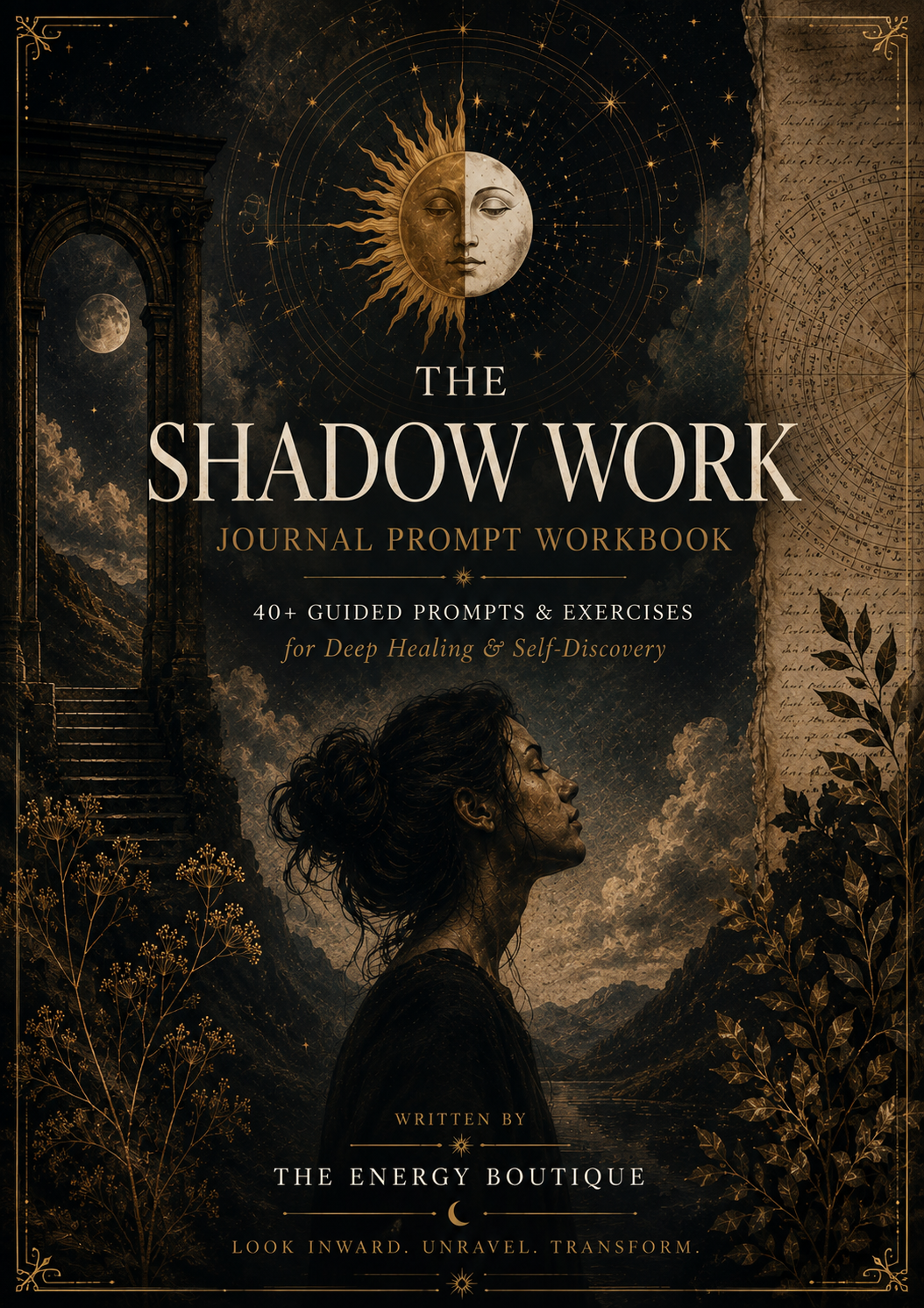
Where to Go Next…
Shadow work isn't about finding everything that's "wrong" with you, it's about understanding the parts of yourself that have been influencing your decisions, relationships, reactions, and behaviours without having your conscious permission or participation. Once you begin recognizing those patterns, you can stop treating every reaction as an isolated event and start looking at the larger strategy underneath it.
If you're beginning that process, continue exploring:
Shadow Work Prompts for Self-Discovery - questions designed to help you look beneath automatic reactions and familiar stories.
Why Do I Keep Repeating the Same Patterns? - explore why certain behaviours and situations can continue even after you've consciously decided you want something different.